
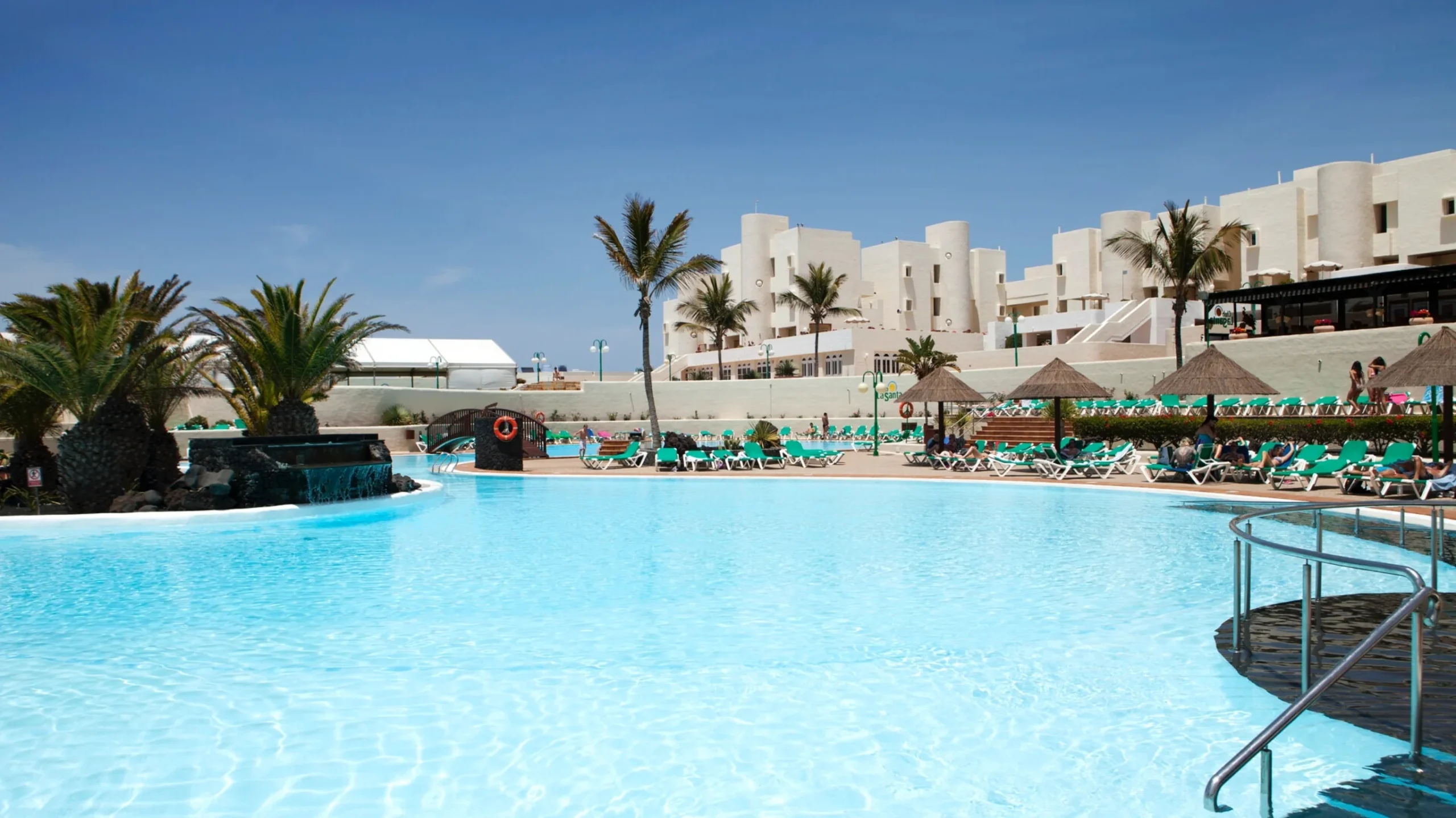
Long before sports tourism became a category of its own, a different kind of holiday was already being tested on Lanzarote’s north-west coast: travelling to move, train and practise sport.
Club La Santa grew from an idea that ran against the tourism mainstream of the early 1980s. The original complex had first been started in 1968 and remained unfinished for years. Tjaereborg Travel took it over in 1978, and Ejlif Krogager decided to turn it into something different from the dominant sun-and-beach model. In June 1983, La Santa Sport opened as a centre where physical activity was part of the holiday itself.
When training on holiday was still unusual
The concept was not an instant success. Club La Santa’s own history describes difficult early years, when travellers were not yet accustomed to replacing the sun lounger with sports sessions. Time eventually vindicated the idea. The resort recorded its first profitable year in 1995 and, following major expansion, increased capacity to around 1,600 guests in 2014.
A resort built around sport
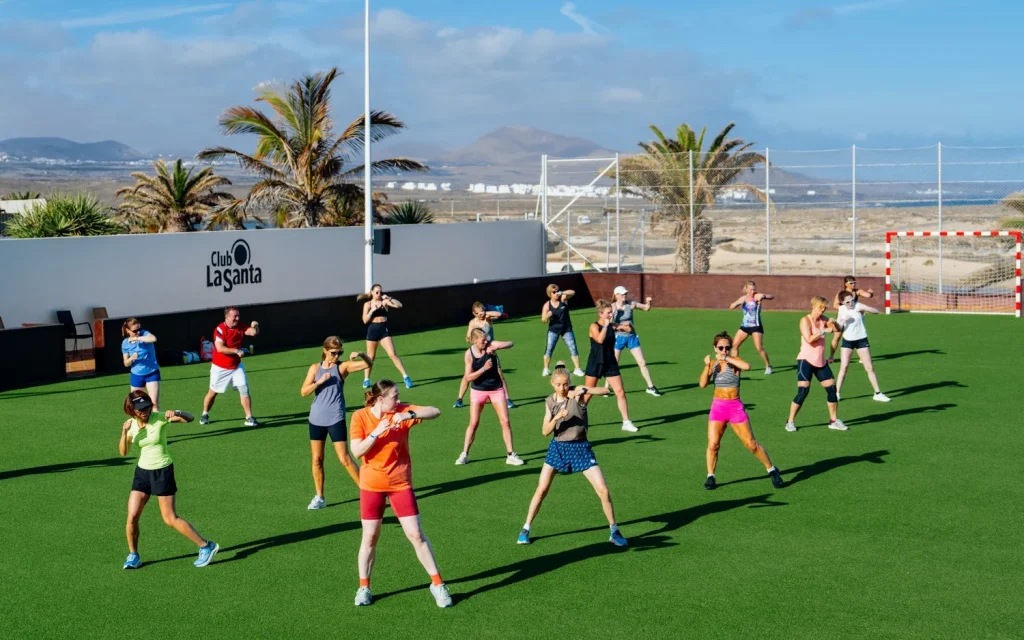
Today the model is easier to understand because sport is not an extra hotel service: it structures the stay. Club La Santa advertises more than 80 sports facilities and over 500 weekly activities, including 50-metre pools, an athletics stadium, cycling centre, fitness facilities, racket sports, functional training areas and a protected lagoon for water sports and open-water swimming.
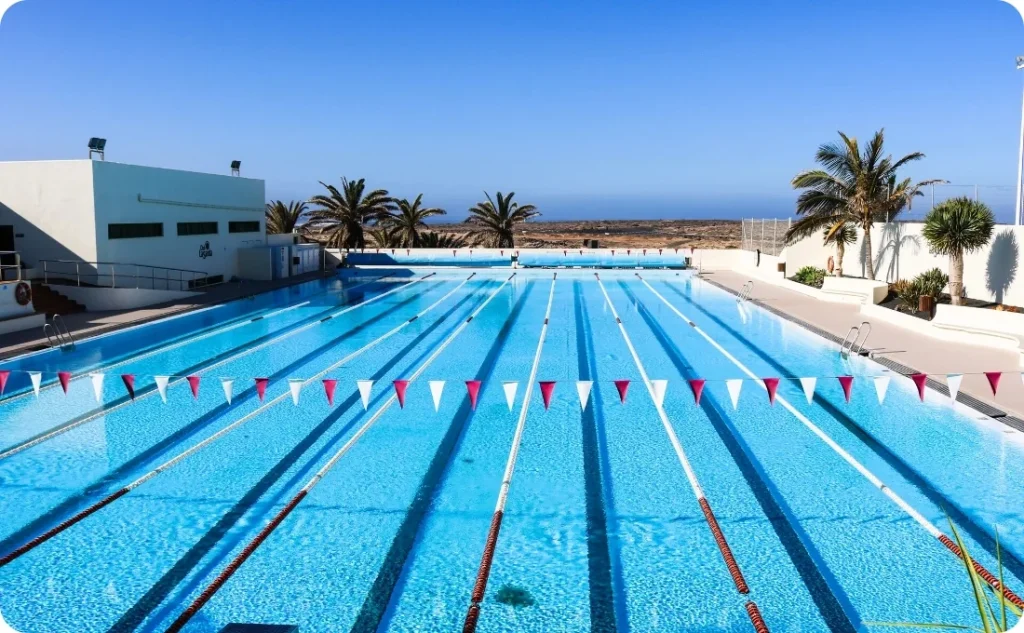
Lanzarote’s climate completes the model. The ability to ride, run and swim outdoors through much of the northern European winter turns the island into more than a holiday backdrop: it becomes training infrastructure.
Kenneth Gasque and the leap into international triathlon
Club La Santa’s story is also closely linked to the development of triathlon in Spain. Kenneth Gasque moved to Lanzarote in 1983, two months before the centre opened. In 1985 he became the first Dane and first resident of Spain to race the IRONMAN World Championship in Hawaii. His own training routes around Lanzarote later formed the basis of the IRONMAN Lanzarote course.
The first edition took place in 1992 with 148 athletes. Club La Santa organised the race for 34 editions through 2026. That continuity helped place Lanzarote on the international triathlon map and illustrated a principle that now seems obvious: an event may bring an athlete for a week, but a destination built for training can bring them back year after year.
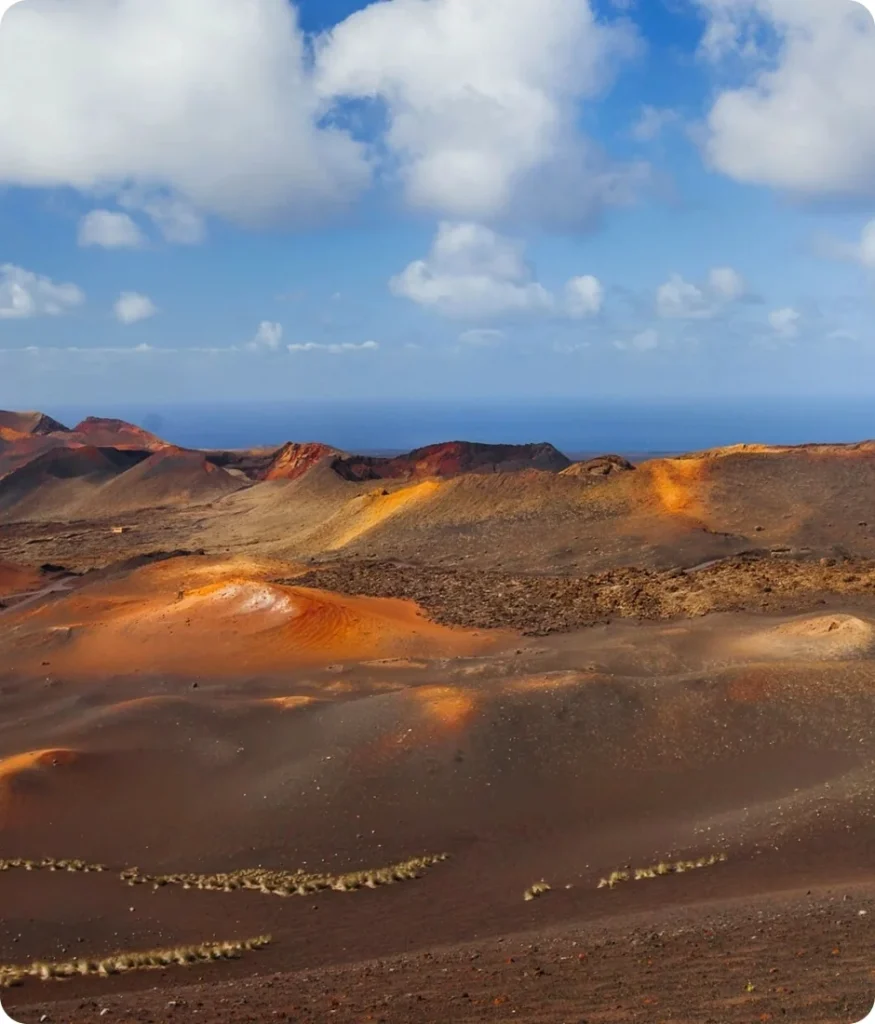
The destination before the event
That may be Club La Santa’s most important lesson for sports tourism. Travel does not need to depend on a race date. A cyclist can arrive in January to build mileage, a swimmer to train in a 50-metre pool, a runner to prepare a season, while families can combine activity and holidays across different sports and ability levels.
More than four decades after opening, Club La Santa helps explain why destinations such as the Canary Islands can compete not only to host races, but to become places athletes travel to simply because they want to train.
Sources: Club La Santa corporate history, sports facilities and CLS Races Magazine 2026. Official photography: Club La Santa.