
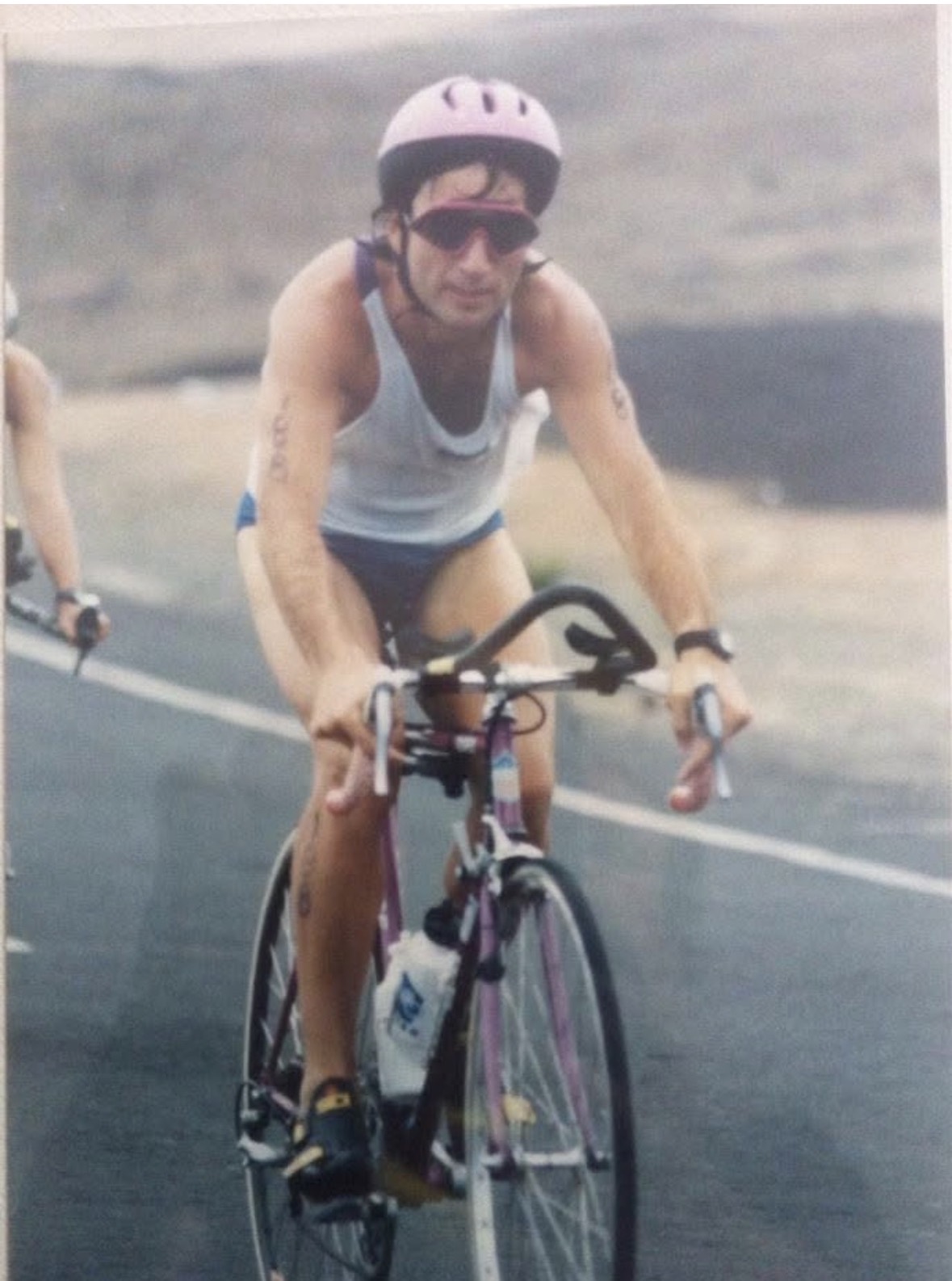
In the 1990s, travelling to a triathlon beyond your familiar surroundings felt a little like an expedition. You left home with a brochure, a map and a handful of clues. Once there, you asked your way around: where was the start, which roads did the course follow, how did you get to registration? Part of the race began with finding your bearings.
Today we can explore a destination virtually before packing a bag. We check the bike elevation profile, download the GPX file, locate our accommodation and work out how to reach the start. We can study a corner on a phone screen thousands of kilometres away.
For those who experienced that earlier way of travelling and racing, the progress is enormous. We have tools that help us arrive better prepared and with less uncertainty. There is no need to romanticise the past: arranging the trip could be considerably harder.
Yet all that information sometimes brings different questions: what does each format mean, which licence do we need, what does an entry include, and which rules apply to our chosen race?
Perhaps the question is how we use these advantages. Are they making participation easier?
More information, more clarity?
Triathlon offers extraordinary variety. Some distances take little more than an hour; others occupy much of the day. There are urban circuits, off-road courses and relays that let people share the effort. That variety helps athletes find challenges that fit very different lives.
But a newcomer needs to understand each option. Abbreviations that feel familiar to us may mean nothing to them. A circuit’s name does not necessarily explain how far they will swim, ride and run.
We once asked which road to follow. Today we can have the course on our watch and still be unsure whether our licence is valid for the event. We have solved many difficulties; we should pay attention to those that remain.
Seeing through a newcomer’s eyes
Those of us who have spent years in the sport have learned to navigate its rules, categories and procedures. Familiarity can make us forget that nobody starts out knowing how transition works or what a draft-legal race means.
Safety requires rules. Insurance and permits involve administration. As organisers, we know that work well. Turning it into understandable instructions is part of organising a good race.
A website should make the essential answers easy to find: what will I do, what is the total cost, what equipment do I need, and what happens from arrival to the finish? Splitting that information between a guide, regulations and several social posts does not always help people find it.
Technology lets us explain things better. A clear map, a short video or a step-by-step checklist can resolve many questions. We should judge those tools by how much they help participants.
A place for every athlete
The way we talk about the sport matters too. If the conversation constantly revolves around long distances, sophisticated equipment and demanding training, someone with only a few spare hours each week may feel triathlon is beyond their reach.
The athlete who uses the bike they already own, trains when they can and chooses a short distance that fits their life belongs here too. That choice deserves attention and recognition. It may be their first race or their way of continuing to enjoy the sport after many years.
Today’s tools should help those people get closer to triathlon, choose confidently and arrive at the start understanding what awaits them.
Let the adventure begin at the start line
The brochure and the map had their charm, but few of us would give up today’s possibilities. We can travel better informed, prepare for the course and share experiences with an ease that once seemed unimaginable.
The next step is to use all that clearly: explain abbreviations, show the costs, simplify procedures and listen to people who do not yet know our world.
The excitement that draws someone to their first triathlon is much the same as it was back then. Looking after it begins before they enter the water.
Triathlon already offers plenty of adventure. Finding the information needed to take part should be the easy part.