Jordi González
Founder and editor of TriSpain. More than 30 years involved in the organisation and development of triathlon and multisport. Director of Challenge Canarias and involved with Challenge Family since 2004.
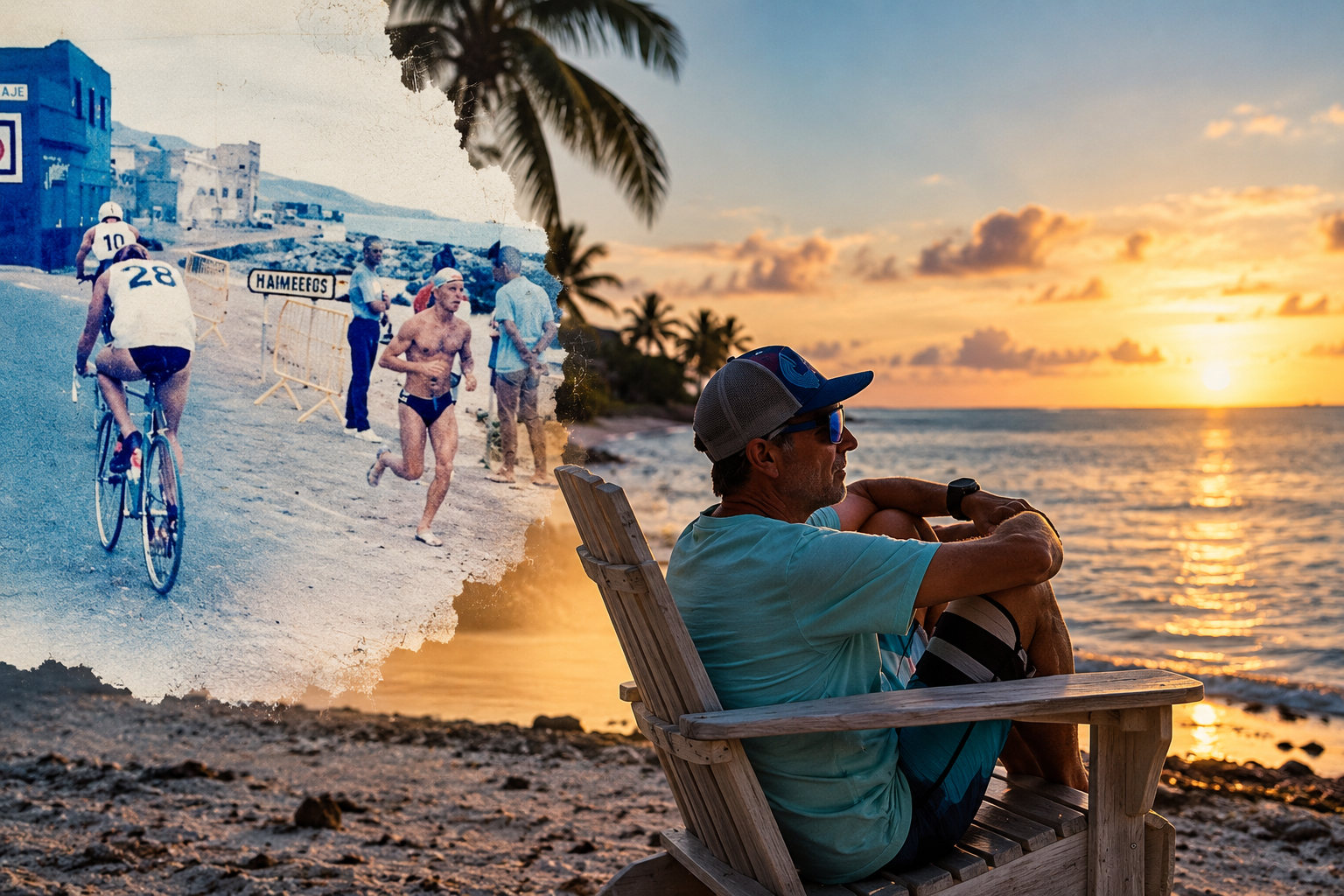
When we started in this world in the 1990s, saying that you worked at an IRONMAN almost always meant first explaining what an IRONMAN actually was.
You started with the distances: 3.8 kilometres swimming, 180 on the bike and then a marathon. Then you had to explain why anyone would want to do something like that.
It was another era. There were very few IRONMAN races in the world and, for most of us, Hawaii felt incredibly far away. Not only in kilometres. Reaching Kona meant reaching an almost inaccessible place, reserved for a few.
IRONMAN was much more an adventure than an industry.
More than thirty years later, the sport has changed completely.
IRONMAN has become one of the great global participation-sport brands. Races take place around the planet, thousands of triathletes travel every year to compete, and every event generates major activity around hotels, flights, bikes, training and tourism.
Something else appeared that simply did not exist in those early years: IRONMAN 70.3.
We used to talk about middle distance. Today, for an enormous number of athletes, 70.3 is a recognisable brand in its own right. Hearing someone say they have “done an Ironman” when they actually finished a 70.3 is perhaps one of the clearest demonstrations of how powerful the brand has become.
IRONMAN is no longer only a distance. It is an identity.
Growth, of course, has consequences. The almost artisanal closeness that once existed between organisers, athletes and races is much harder to preserve inside a global organisation with dozens of events, thousands of participants and major commercial interests.
I believe some of that closeness to the triathlete has been lost along the way. But it would be unfair not to recognise what has been gained.
The presentation of the races, professional organisation, communication, branding and, above all, the ability to turn long-distance triathlon into an internationally recognised sporting product are light years ahead of what we had then.
And amid all that transformation, one thing, for me, remains almost untouched.
Hawaii.
Kona still has something different.
Because so much of it began there. Because for decades we have watched the same images of lava, wind, heat and athletes pushed completely to their limits. Because different generations of triathletes have grown up wanting one day to stand on that start line.
And because we all remember the great names who have won in Hawaii.
Years can pass, races, distances and formats can change, and even the structure of the sport itself can evolve. But winning in Kona stays with you forever.
That probably explains better than any marketing campaign what Hawaii means to long-distance triathlon.
IRONMAN can keep changing. It can change owners, create new distances, alter its championships, grow as a company and continue expanding around the world.
We will probably keep debating whether today’s IRONMAN is better or worse than the one we knew in the 1990s.
But as long as that race exists on that island, one thing will be difficult to change:
Hawaii will still be Hawaii.