
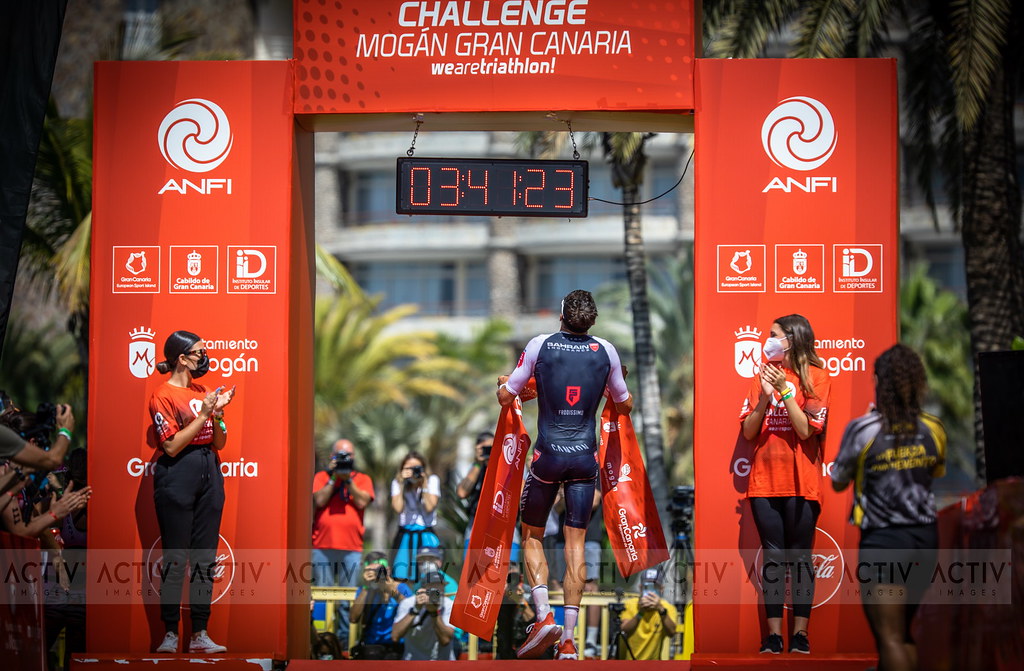
Running, cycling, triathlon and trail running generate very different travel patterns. Major marathons mobilise tens of thousands of runners and companions, while cycling has a different tourism advantage: athletes may need to travel even when there is no race at all.
Sports tourism has traditionally been measured around events: participants, companions, hotel nights and spending during race week. But athletes do not travel only to compete. They also travel to train.
The enormous pull of major marathons
Running has an unmatched ability to create mass participation events. New York, Berlin, London, Paris, Chicago and Tokyo turn a marathon into a city break for runners, families and friends.
Berlin also shows how important companions can be: in major marathons the athlete can be the reason for travelling while friends and family multiply the economic impact through accommodation, restaurants, shopping and local transport.
But you can run almost anywhere
A runner living in London, Berlin, Amsterdam or Copenhagen can normally continue preparing through winter without leaving home. It may be cold, wet and dark, but outside severe weather a pair of shoes is usually enough to keep training.
That reduces the need to travel specifically for training. A runner may fly to New York, Paris or Berlin to race, but does not necessarily need to travel months earlier simply to prepare.
Cycling has a winter problem
For cyclists the equation changes. Short daylight hours, low temperatures, ice, snow and persistent rain can make four- or five-hour outdoor rides difficult or unsafe across much of northern and central Europe.
Indoor training helps, but training is not only about producing watts. A week outdoors allows athletes to accumulate volume, practise descending and bike handling, test nutrition and adapt to long days on the road. At that point, climate itself becomes a tourism product.
Canary Islands, Mallorca and the Mediterranean
A sports destination does not need a race every weekend. It can offer something simpler and extremely valuable: roads that can be ridden in January.
Destinations such as the Canary Islands, Mallorca and parts of Spain’s Mediterranean coast can receive cyclists whose only objective is training. They need no start line, bib or medal. They need weather, roads, bike-friendly accommodation, workshops, rentals and attractive routes.
The opportunity for the Canary Islands
With mild conditions through much of the European winter, the product can simply be a training week in February. Gran Canaria, Tenerife, Lanzarote and Fuerteventura also allow several disciplines to be combined in one trip: swimming, cycling, running and trail.
The key question for destinations may therefore be less “which event can we host in February?” and more “what do European athletes need in February that they cannot easily find at home?”
A race can make someone discover a destination. The real tourism success may come when that athlete decides to return even when there is no race.